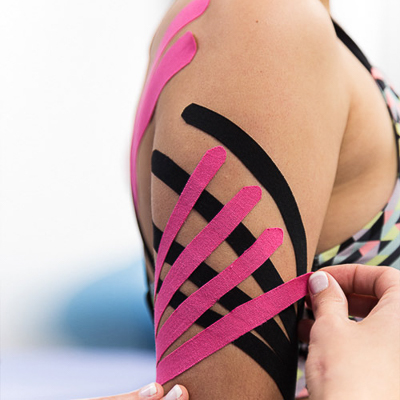
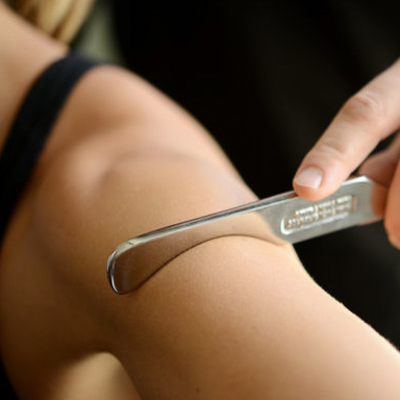
Graduating with a BSc (Hons) Sports Therapy from Teesside University, I am qualified as a member of the Society of Sports Therapy and Sports Therapy Association. I work with a diverse range of sporting patients, examples of the sports that I have managed recently are: running, rugby and football, darts, swimming, squash, cricket, table tennis, golf and archery. Athletes range from Saturday runners to semi-professional footballers, each having differing requirements, but the sports therapy principles applied being the same – to return the athlete back to full functional fitness is the shortest possible time.
What is Sports Therapy?
Sports Therapy is an aspect of healthcare that is specifically concerned with the prevention of injury and the rehabilitation of the patient back to optimum levels of functional, occupational and sports specific fitness, regardless of age and ability. It utilises the principles of sport and exercise sciences incorporating physiological and pathological processes to prepare the participant for training, competition and where applicable, work.
As defined by the Society of Sports Therapists:
A Sports Therapist is a healthcare professional who has the knowledge, skills and ability to:
- utilise sports and exercise principles to optimise performance, preparation and injury prevention programmes
- provide the immediate care of injuries and basic life support in a recreational, training & competitive environment
- assess, treat and, where appropriate, refer on for specialist advice and intervention.
- provide appropriate sport and remedial massage in a sport & exercise context
- plan and implement appropriate rehabilitation programmes
The spectrum of expertise that a Member of The Society of Sports Therapists must possess is built within five key areas of competency related to injury and illness in the sport and exercise environment. These are:
- Prevention
- Recognition & evaluation
- Management, treatment & referral
- Rehabilitation
- Education & professional practice issues
Within each of these areas Sports Therapists and specifically those at Graduate level, are trained and educated in principles that have sound practical and evidence-based philosophies with solid sport and exercise science foundations.
As such, Sports Therapists who are Members of The Society of Sports Therapists are required to meet clearly defined competency levels which cover the breadth of the above areas and gives them the knowledge, skills and ability to work at all levels of the sport and exercise continuum.
Functional Gait Analysis and Running Technique Re-Education
Part of the assessment process for runners may include a functional running assessment. Video footage is taken and analysed to establish if a modification in running style may help to reduce injury risk or to generally improve running performance. Running assessments in clinic are not to guide the runner to a specific brand of running shoe, they’re performed and analysed in conjunction with muscular strength testing and mobility assessments to give a broader analysis of gait/foot strike position, running posture and techniques.